
Abu Dhabi Grand Prix 2025: The Weekend the Entire Season Collided
Nobody arrived in Abu Dhabi casually this year.
By midweek, Yas Island was already under pressure. Hotels were full before the first practice session. Marina reservations were difficult to move. Hospitality teams were adjusting arrivals, security requirements, transfers, and last-minute guest requests before the weekend had properly begun.
This was never going to be an ordinary race.
The 2025 Abu Dhabi Grand Prix carried the tension of a championship finale Formula 1 had not seen in years. The title was still open. Lando Norris, Max Verstappen, and Oscar Piastri all arrived with something to fight for, and the conversations across the city reflected it. Strategy, qualifying pressure, paddock rumours, and Sunday permutations followed guests from hotel lobbies to private dinners and marina decks.
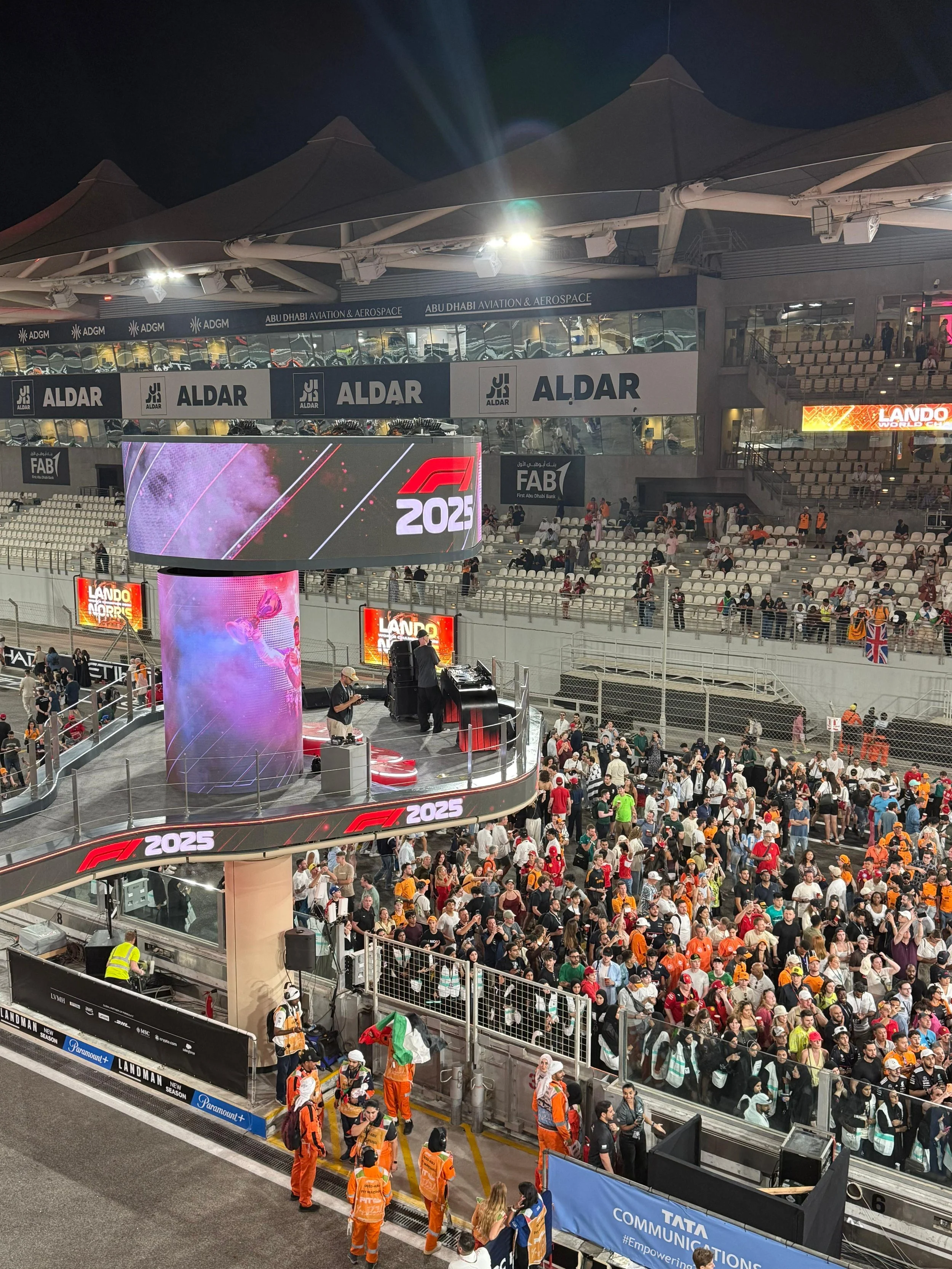
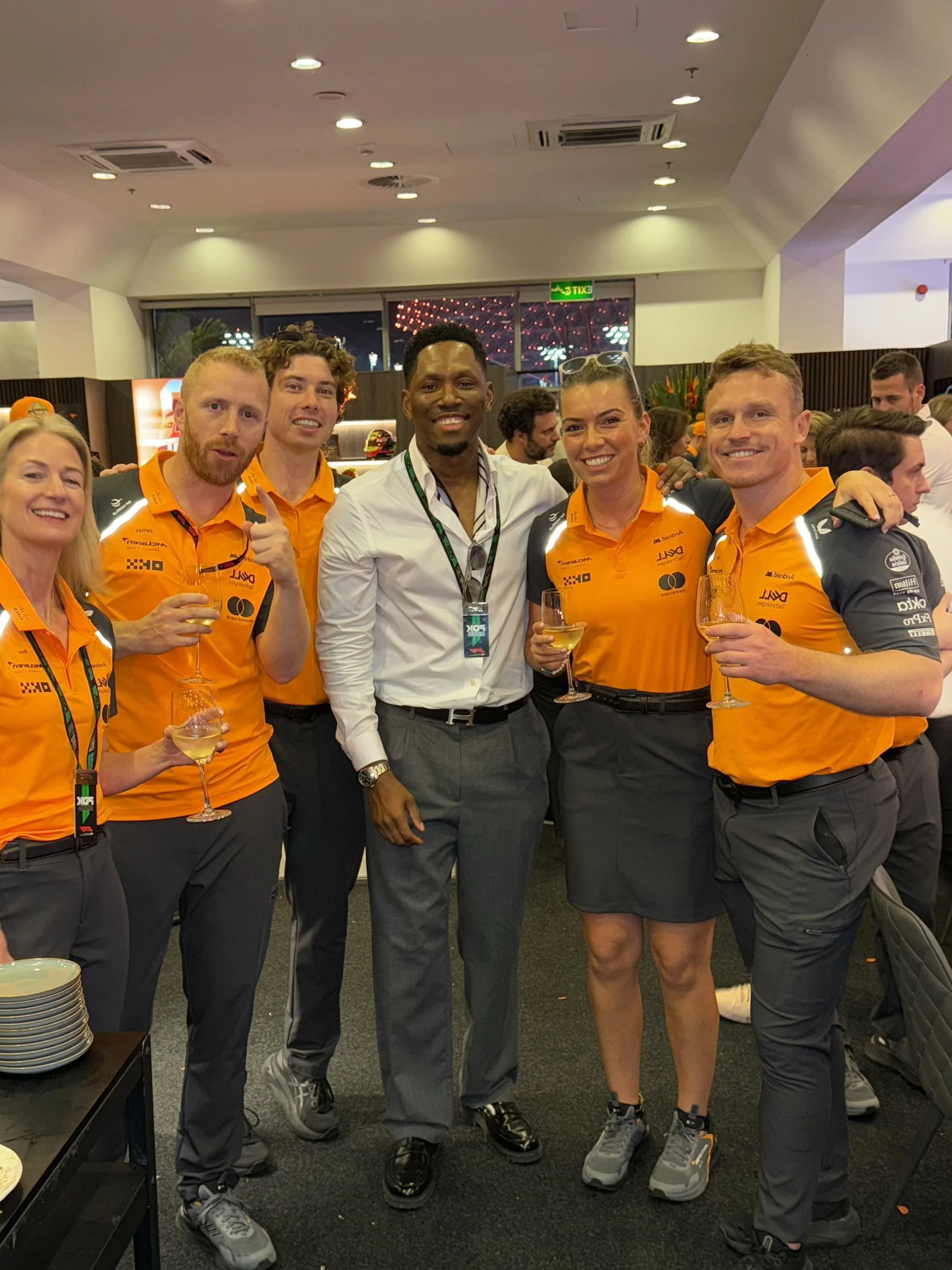
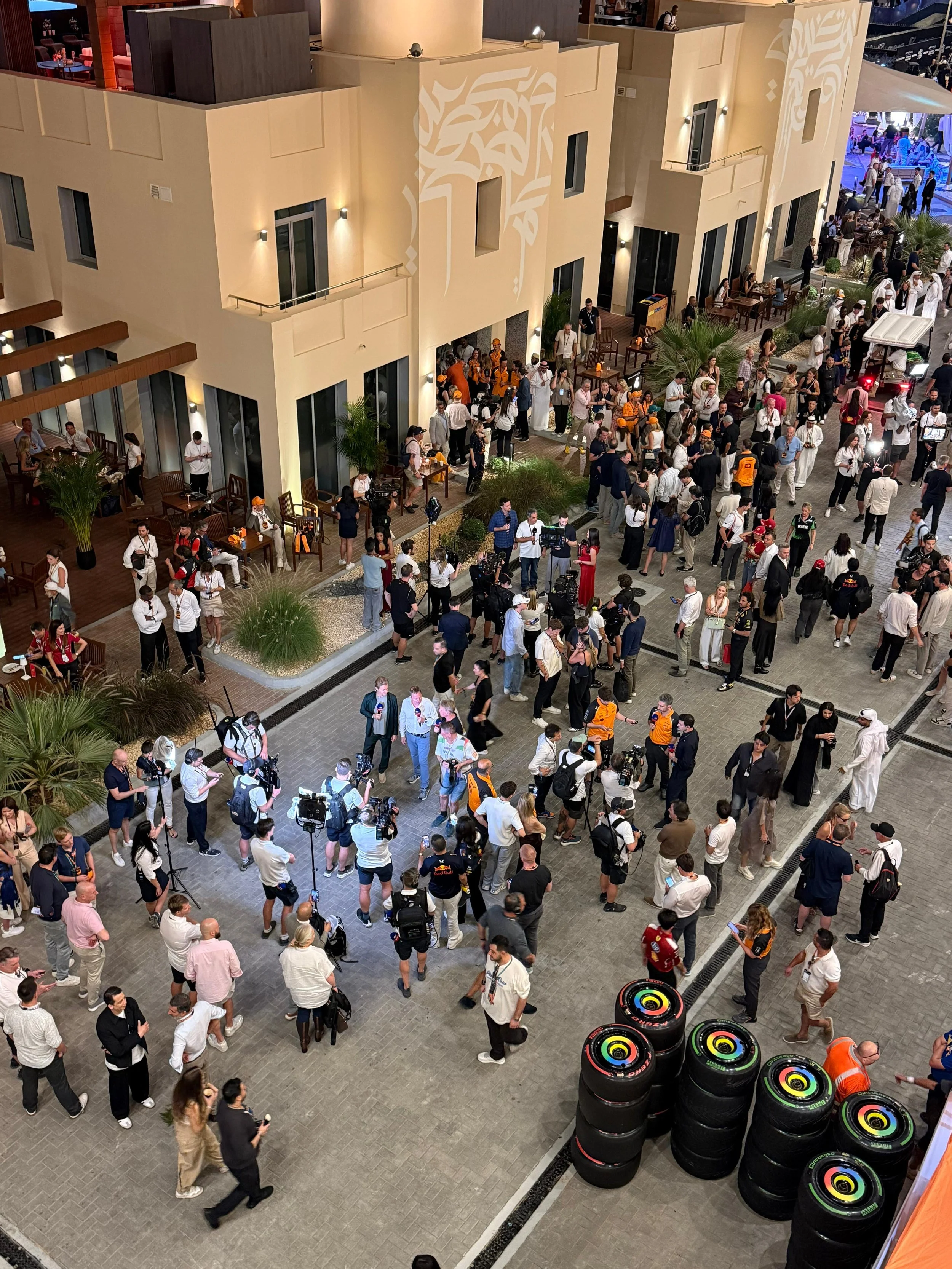
Abu Dhabi always transforms during Grand Prix weekend, but an unresolved championship changes the rhythm completely. Yas Marina stops feeling like an event venue and becomes the centre of a collision between sport, hospitality, media, luxury brands, and private networks.
Everything becomes tighter.
Paddock hospitality gets harder to secure. Marina movement becomes less flexible. Restaurant reservations disappear quickly. Even short transfers across Yas Island can become unpredictable once traffic, security, race schedules, and private events begin competing for the same hours.
And yet, some guests still move through the weekend with ease.
That difference is visible during Formula 1 weekends. Some people spend half their time reacting to pressure. Others move directly through it. Cars arrive where they should. Access is handled. Reservations hold. Schedule changes are absorbed without disrupting the experience.
At this level, the weekend is not defined by access alone. It is defined by how well everything around that access has been prepared.
Throughout the Grand Prix, Luxury Concierge Services operated inside that environment, coordinating the details that allow a high-pressure weekend to feel effortless. Paddock access, transport flow, marina positioning, hospitality transitions, dining placements, yacht movement, and after-parties all had to connect while the city accelerated around them.
Because during a championship finale, momentum becomes part of the experience.
Guests do not want to step outside the atmosphere to solve logistics. The value lies in staying inside the weekend continuously, moving from qualifying to dinner, from dinner to marina hospitality, from race day to late-night celebrations, without friction.
After dark, Abu Dhabi carries its own Grand Prix language. The marina remains alive long after midnight. Music moves across the water from several events at once. Conversations shift between racing, business, fashion, entertainment, and the tension of what had just happened on track.
By Monday morning, the city had already started returning to normal. The yachts were quieter. Hospitality structures were coming down. Guests were leaving for airports across the Gulf and Europe.
For a few days, Abu Dhabi had held the final race of the season and everything surrounding it at full pressure. The city did not simply host the finale. It absorbed it.